


Case studies
Proof
of enterprise AI
in production

-
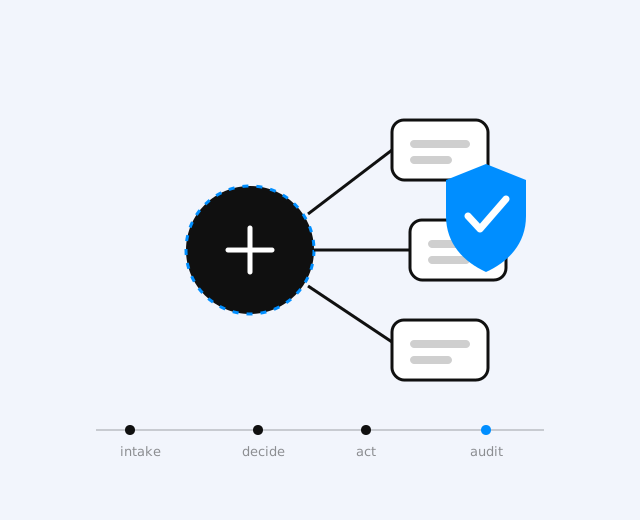

In production | Autonomous communications operations
An anonymized deployment for a critical-infrastructure operator coordinates inbound and outbound communications, classifies intent, drafts regulated responses, and routes exceptions to accountable teams. Governance rules, audit trails, and human approval paths remain embedded in the operating model. Status: In production.
-

Operational | Independent verification layer
An independent verification layer for a regulated industrial organization reviews source records, policy constraints, and operational decisions before action is taken. The service records evidence, exposes exceptions, and supports supervisors with traceable recommendations. Status: Operational.
-
In production | Emergency voice response
An emergency voice-response program for a regional healthcare network triages incoming calls, captures structured context, and escalates urgent cases to the right duty team. The deployment emphasizes consent, auditability, and continuity when human operators take over. Status: In production.
-
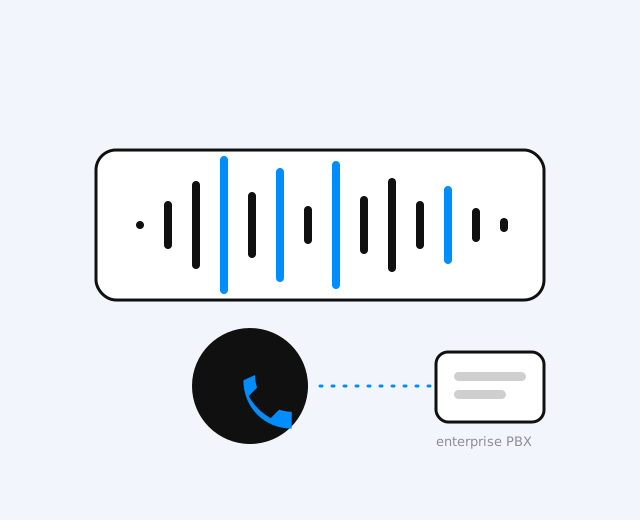
Operational | Governed agent operations
Governed agent operations for a transport and logistics provider support dispatch, service updates, workforce inquiries, and internal requests from a single controlled workspace. The agents follow approved playbooks, record rationale, and hand off exceptions with full context. Status: Operational.
-
Operational | Financial document processing
Financial document processing for regulated finance teams extracts obligations, reconciles supporting files, and prepares review packs for approval. The workflow combines document intelligence with audit controls so exceptions, overrides, and reviewer decisions remain traceable. Status: Operational.
-
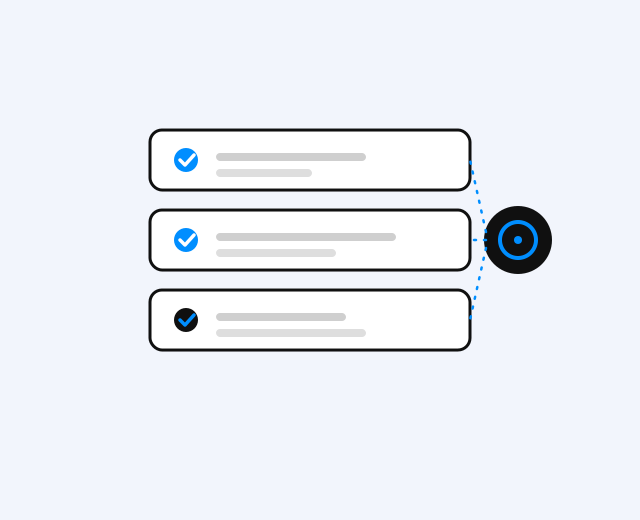
In production | Autonomous communications control
Autonomous communications control for a multi-entity service group consolidates messages, classifies risk, drafts replies, and schedules follow-up under defined approval policies. The deployment reduces unmanaged handoffs while preserving supervisory review and evidence retention. Status: In production.
-
Operational | Governed coordination agents
Governed coordination agents for a public-sector program office organize participant intake, eligibility notes, case updates, and communications across distributed teams. The model separates operational assistance from final decisions and maintains a record suitable for audit. Status: Operational.
-
In production | Voice escalation and dispatch support
Voice escalation and dispatch support for a regional mobility operator captures call context, confirms intent, and prepares structured handoffs for control-room staff. The system is designed for predictable fallback, approved messaging, and accountable intervention during disruptions. Status: In production.
-

Operational | Decision audit for finance operations
Decision audit support for finance operations compares transactional evidence, approval rules, and historical context before presenting explainable recommendations. Reviewers see source references, exception reasons, and required controls before any action is finalized. Status: Operational.
-

In production | Computer-use QA for regulated workflows
Computer-use QA for regulated enterprise workflows observes critical browser-based tasks, checks required evidence, and flags deviations before completion. Supervisors receive concise findings, supporting screenshots, and an audit-ready record of reviewed actions. Status: In production.

-
Operational | Financial document processing
Enterprise AI proof work is assessed through controlled operations, auditability, data access boundaries, and accountable human review. The examples shown here are anonymized and framed around capability, sector, governance, and operational maturity rather than client identity.
-
In production | Autonomous communications control
Enterprise AI proof work is assessed through controlled operations, auditability, data access boundaries, and accountable human review. The examples shown here are anonymized and framed around capability, sector, governance, and operational maturity rather than client identity.
-
Operational | Governed coordination agents
Enterprise AI proof work is assessed through controlled operations, auditability, data access boundaries, and accountable human review. The examples shown here are anonymized and framed around capability, sector, governance, and operational maturity rather than client identity.
-
In production | Voice escalation and dispatch support
Enterprise AI proof work is assessed through controlled operations, auditability, data access boundaries, and accountable human review. The examples shown here are anonymized and framed around capability, sector, governance, and operational maturity rather than client identity.
-
Operational | Decision audit for finance operations
Enterprise AI proof work is assessed through controlled operations, auditability, data access boundaries, and accountable human review. The examples shown here are anonymized and framed around capability, sector, governance, and operational maturity rather than client identity.
-
In production | Computer-use QA for regulated workflows
Enterprise AI proof work is assessed through controlled operations, auditability, data access boundaries, and accountable human review. The examples shown here are anonymized and framed around capability, sector, governance, and operational maturity rather than client identity.
-
Operational | Financial document processing
Financial document processing for regulated finance teams extracts obligations, reconciles supporting files, and prepares review packs for approval. The workflow combines document intelligence with audit controls so exceptions, overrides, and reviewer decisions remain traceable across the operating record. Access boundaries, retention rules, and supervisory checkpoints are defined before production use. Status: Operational.
-
In production | Autonomous communications control
Autonomous communications control for a multi-entity service group consolidates messages, classifies risk, drafts replies, and schedules follow-up under defined approval policies. The deployment reduces unmanaged handoffs while preserving supervisory review, evidence retention, and clear ownership of final responses. Status: In production.
-
Operational | Governed coordination agents
Enterprise AI proof work is assessed through controlled operations, auditability, data access boundaries, and accountable human review. The examples shown here are anonymized and framed around capability, sector, governance, and operational maturity rather than client identity.
-
In production | Voice escalation and dispatch support
Enterprise AI proof work is assessed through controlled operations, auditability, data access boundaries, and accountable human review. The examples shown here are anonymized and framed around capability, sector, governance, and operational maturity rather than client identity.
-
Operational | Decision audit for finance operations
Decision audit support for finance operations compares transactional evidence, approval rules, and historical context before presenting explainable recommendations. Reviewers see source references, exception reasons, and required controls before any action is finalized, with overrides preserved for audit. Status: Operational.
-
In production | Computer-use QA for regulated workflows
Enterprise AI proof work is assessed through controlled operations, auditability, data access boundaries, and accountable human review. The examples shown here are anonymized and framed around capability, sector, governance, and operational maturity rather than client identity.
-
Operational | Financial document processing
Enterprise AI proof work is assessed through controlled operations, auditability, data access boundaries, and accountable human review. The examples shown here are anonymized and framed around capability, sector, governance, and operational maturity rather than client identity.
-
In production | Autonomous communications control
Enterprise AI proof work is assessed through controlled operations, auditability, data access boundaries, and accountable human review. The examples shown here are anonymized and framed around capability, sector, governance, and operational maturity rather than client identity.
-
Operational | Governed coordination agents
Enterprise AI proof work is assessed through controlled operations, auditability, data access boundaries, and accountable human review. The examples shown here are anonymized and framed around capability, sector, governance, and operational maturity rather than client identity.
-
In production | Voice escalation and dispatch support
Enterprise AI proof work is assessed through controlled operations, auditability, data access boundaries, and accountable human review. The examples shown here are anonymized and framed around capability, sector, governance, and operational maturity rather than client identity.
-
Operational | Decision audit for finance operations
Enterprise AI proof work is assessed through controlled operations, auditability, data access boundaries, and accountable human review. The examples shown here are anonymized and framed around capability, sector, governance, and operational maturity rather than client identity.
-
In production | Computer-use QA for regulated workflows
Enterprise AI proof work is assessed through controlled operations, auditability, data access boundaries, and accountable human review. The examples shown here are anonymized and framed around capability, sector, governance, and operational maturity rather than client identity.
-
Operational | Financial document processing
Enterprise AI proof work is assessed through controlled operations, auditability, data access boundaries, and accountable human review. The examples shown here are anonymized and framed around capability, sector, governance, and operational maturity rather than client identity.
-
In production | Autonomous communications control
Enterprise AI proof work is assessed through controlled operations, auditability, data access boundaries, and accountable human review. The examples shown here are anonymized and framed around capability, sector, governance, and operational maturity rather than client identity.
-
Operational | Governed coordination agents
Governed coordination agents for a public-sector program office organize participant intake, eligibility notes, case updates, and communications across distributed teams. The model separates operational assistance from final decisions and maintains a record suitable for audit. Status: Operational.
-
In production | Voice escalation and dispatch support
Voice escalation and dispatch support for a regional mobility operator captures call context, confirms intent, and prepares structured handoffs for control-room staff. The system is designed for predictable fallback, approved messaging, and accountable intervention during disruptions. Status: In production.
-
In production | Computer-use QA for regulated workflows
Computer-use QA for regulated enterprise workflows observes critical browser-based tasks, checks required evidence, and flags deviations before completion. Supervisors receive concise findings, supporting screenshots, and an audit-ready record of reviewed actions. Status: In production.
-
In production | Computer-use QA for regulated workflows
Enterprise AI proof work is assessed through controlled operations, auditability, data access boundaries, and accountable human review. The examples shown here are anonymized and framed around capability, sector, governance, and operational maturity rather than client identity.
-
Operational | Financial document processing
Enterprise AI proof work is assessed through controlled operations, auditability, data access boundaries, and accountable human review. The examples shown here are anonymized and framed around capability, sector, governance, and operational maturity rather than client identity.
-
In production | Autonomous communications control
Enterprise AI proof work is assessed through controlled operations, auditability, data access boundaries, and accountable human review. The examples shown here are anonymized and framed around capability, sector, governance, and operational maturity rather than client identity.
-
Operational | Governed coordination agents
Enterprise AI proof work is assessed through controlled operations, auditability, data access boundaries, and accountable human review. The examples shown here are anonymized and framed around capability, sector, governance, and operational maturity rather than client identity.
-
In production | Voice escalation and dispatch support
Enterprise AI proof work is assessed through controlled operations, auditability, data access boundaries, and accountable human review. The examples shown here are anonymized and framed around capability, sector, governance, and operational maturity rather than client identity.
-
Operational | Decision audit for finance operations
Enterprise AI proof work is assessed through controlled operations, auditability, data access boundaries, and accountable human review. The examples shown here are anonymized and framed around capability, sector, governance, and operational maturity rather than client identity.
-
In production | Computer-use QA for regulated workflows
Enterprise AI proof work is assessed through controlled operations, auditability, data access boundaries, and accountable human review. The examples shown here are anonymized and framed around capability, sector, governance, and operational maturity rather than client identity.
-
In production | Autonomous communications operations
An anonymized deployment for a critical-infrastructure operator coordinates inbound and outbound communications, classifies intent, drafts regulated responses, and routes exceptions to accountable teams. Governance rules, audit trails, and human approval paths remain embedded in the operating model. Status: In production.
-
Operational | Independent verification layer
An independent verification layer for a regulated industrial organization reviews source records, policy constraints, and operational decisions before action is taken. The service records evidence, exposes exceptions, and supports supervisors with traceable recommendations. Status: Operational.
-
In production | Emergency voice response
An emergency voice-response program for a regional healthcare network triages incoming calls, captures structured context, and escalates urgent cases to the right duty team. The deployment emphasizes consent, auditability, and continuity when human operators take over. Status: In production.
-
Operational | Decision audit for finance operations
Enterprise AI proof work is assessed through controlled operations, auditability, data access boundaries, and accountable human review. The examples shown here are anonymized and framed around capability, sector, governance, and operational maturity rather than client identity.
-
In production | Computer-use QA for regulated workflows
Enterprise AI proof work is assessed through controlled operations, auditability, data access boundaries, and accountable human review. The examples shown here are anonymized and framed around capability, sector, governance, and operational maturity rather than client identity.
-
Operational | Governed agent operations
Governed agent operations for a transport and logistics provider support dispatch, service updates, workforce inquiries, and internal requests from a single controlled workspace. The agents follow approved playbooks, record rationale, and hand off exceptions with full context. Status: Operational.
-
In production | Explainable decisioning workspace
An explainable decisioning workspace for a health-services group prepares case summaries, compares policy criteria, and documents the basis for recommended next steps. Domain specialists retain approval authority while the system preserves evidence, consent, and review history. Status: In production.
-
Operational | Computer-use automation for back office
Computer-use automation for a manufacturing and service distributor operates selected back-office screens, reconciles records, and prepares exception queues for staff review. Controls limit scope, capture screen-level evidence, and preserve separation between recommendation and approval. Status: Operational.
-
In production | Database engineering and audit
Database engineering and audit support for an asset-intensive facilities operator standardizes fragmented operational data, validates lineage, and prepares governed analytical views. The work improves traceability for planning, maintenance, and oversight without exposing sensitive source identities. Status: In production.
-
In production | Computer-use QA for regulated workflows
Enterprise AI proof work is assessed through controlled operations, auditability, data access boundaries, and accountable human review. The examples shown here are anonymized and framed around capability, sector, governance, and operational maturity rather than client identity.
-
Operational | Financial document processing
Enterprise AI proof work is assessed through controlled operations, auditability, data access boundaries, and accountable human review. The examples shown here are anonymized and framed around capability, sector, governance, and operational maturity rather than client identity.
-
In production | Autonomous communications control
Enterprise AI proof work is assessed through controlled operations, auditability, data access boundaries, and accountable human review. The examples shown here are anonymized and framed around capability, sector, governance, and operational maturity rather than client identity.
-
Operational | Governed coordination agents
Enterprise AI proof work is assessed through controlled operations, auditability, data access boundaries, and accountable human review. The examples shown here are anonymized and framed around capability, sector, governance, and operational maturity rather than client identity.
-
In production | Voice escalation and dispatch support
Enterprise AI proof work is assessed through controlled operations, auditability, data access boundaries, and accountable human review. The examples shown here are anonymized and framed around capability, sector, governance, and operational maturity rather than client identity.
-
Operational | Decision audit for finance operations
Enterprise AI proof work is assessed through controlled operations, auditability, data access boundaries, and accountable human review. The examples shown here are anonymized and framed around capability, sector, governance, and operational maturity rather than client identity.
-
In production | Computer-use QA for regulated workflows
Enterprise AI proof work is assessed through controlled operations, auditability, data access boundaries, and accountable human review. The examples shown here are anonymized and framed around capability, sector, governance, and operational maturity rather than client identity.


